
Introduction: The Evolution of Gaming in the Digital Era
Gaming has become a central part of digital culture, evolving from simple console or PC entertainment into a complex, interactive, and global phenomenon. Technology and digital media have transformed the gaming experience, allowing players to connect, compete, and collaborate across continents.
The digital ecosystem now includes streaming, esports, mobile gaming, virtual reality, and cloud platforms. Gaming is no longer just about playing—it is about creating, sharing, and participating in communities. Understanding the evolution of gaming demonstrates how technology continues to redefine digital entertainment and online interaction.
Modern Technology as the Core of Gaming
At the heart of modern gaming is advanced technology. GPUs, high-speed processors, and game engines allow developers to design realistic environments, complex mechanics, and interactive worlds.
Cloud computing and high-speed internet enable players to access games on multiple devices, reducing hardware limitations. These innovations provide seamless gameplay and immersive experiences for a global audience.
Without technology, the vast, interconnected digital world of gaming would not exist.
Online Multiplayer: Connecting Players Globally
Multiplayer online games have transformed gaming into a social experience. Players collaborate, compete, and communicate in real time, building relationships and communities.
Voice chat, text chat, and in-game social features allow teams to coordinate strategies and engage in collaborative play. Communities often extend to social media, forums, and fan groups, creating long-term engagement.
Multiplayer games exemplify how gaming fosters global connections and shared experiences in the digital space.
Game Streaming and Media Influence
Game streaming platforms have reshaped how players consume gaming content. Gamers broadcast live gameplay, tutorials, and reviews to audiences worldwide.
Interactive features, including live chat, fan reactions, and donations, create a participatory digital experience. Platforms like crypticstreet illustrate the power of digital media in shaping trends, discussions, and culture within gaming communities.
Streaming has made watching games as engaging as playing them, highlighting the role of media in gaming’s expansion.
Mobile Gaming: Gaming Anywhere, Anytime
Mobile gaming has revolutionized accessibility, allowing players to engage with games on smartphones and tablets. Games are designed for casual play, short sessions, and social interaction.
Features like multiplayer, leaderboards, and daily events keep players invested. Mobile gaming has widened the demographic of gamers, making digital entertainment a daily habit for millions worldwide.
This demonstrates how technology integrates gaming into everyday life.
Esports: Professional Gaming and Competitive Culture
Esports represents the professional side of digital gaming. International tournaments, live streams, and sponsorship deals have turned competitive gaming into a global industry.
Advanced technology ensures fair play, real-time broadcasting, and accurate analytics. Digital media promotes players, teams, and events, creating global recognition and career opportunities.
Esports demonstrates the convergence of gaming, technology, and media in building professional, competitive digital entertainment.
Immersive Gaming: Virtual and Augmented Reality
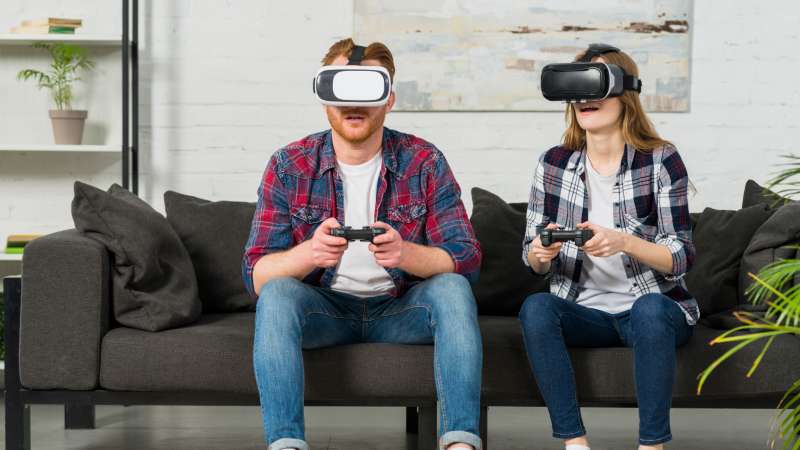
Virtual reality (VR) and augmented reality (AR) technologies have redefined immersion in gaming. VR allows players to step into fully interactive worlds, while AR overlays digital elements onto real-life environments.
VR headsets, motion controllers, and spatial audio create engaging sensory experiences. AR gaming introduces a blend of physical and digital gameplay.
Immersive gaming illustrates how technology drives innovation, creating experiences beyond traditional gameplay.
Modern Game Development
Game development now relies on advanced tools for modeling, animation, sound, AI, and collaboration. Teams across the world can work together seamlessly, accelerating innovation and production.
Independent developers can release games online without publishers, encouraging creativity and diversity. Technology empowers developers to create rich, engaging experiences accessible to a global audience.
Digital tools are vital to pushing the boundaries of creativity in gaming.
Monetization and the Gaming Economy
The gaming industry generates revenue through multiple channels: in-game purchases, subscriptions, microtransactions, and advertising.
Content creators monetize through streaming, sponsorships, and fan engagement. Platforms like pedrovazpaulo illustrate how digital presence and professional branding can create income opportunities within gaming.
The gaming economy demonstrates the synergy between technology, media, and digital entrepreneurship.
Artificial Intelligence in Gaming
Artificial intelligence (AI) enhances gaming by creating adaptive gameplay, responsive NPCs, and personalized experiences.
AI analyzes player behavior, adjusts difficulty, and ensures that games remain engaging for both casual and competitive players. Intelligent systems bring realism and strategy into digital play.
AI showcases the intersection of technology and interactive entertainment in modern gaming.
Security, Fair Play, and Ethics
As gaming becomes increasingly online, security, fairness, and ethical design are essential. Protecting player data, preventing cheating, and moderating communities ensure trust and engagement.
Developers implement encryption, anti-cheat software, and reporting systems to create safe environments. Ethical practices in gaming promote inclusivity, fair play, and responsible digital interaction.
Security and ethics maintain sustainability in the global gaming ecosystem.
Challenges in Gaming
Despite its growth, gaming faces challenges like online harassment, addiction, and unequal access to technology.
Developers and platforms must balance engagement with responsibility. Parental controls, community moderation, and educational resources help mitigate risks.
Addressing these challenges ensures that gaming remains inclusive, safe, and enjoyable for players of all ages.
Future Trends: Cloud Gaming, AI, and VR
The future of gaming includes cloud-based services, AI-enhanced gameplay, and more immersive VR experiences. Cross-platform play will allow seamless integration between PCs, consoles, and mobile devices.
Gaming will continue to shape digital media, social interaction, and education. Emerging technologies promise deeper immersion, smarter AI, and personalized experiences.
Technology ensures gaming remains at the forefront of digital innovation.
Conclusion: Gaming as a Digital Force
Gaming has evolved into a transformative digital force. Technology and media have reshaped how people play, interact, and participate in online communities.
From multiplayer worlds to esports, streaming platforms, immersive VR, and professional careers, gaming is more than entertainment—it is a cultural, social, and economic phenomenon.
As technology continues to advance, gaming will remain a central driver of digital innovation, shaping the way we experience entertainment and connect in the online world.