
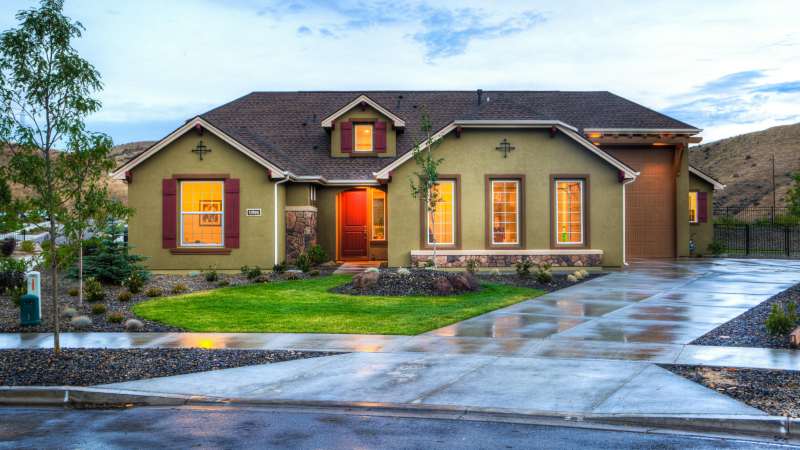
Smart landscaping is one of the most powerful and cost-effective strategies we can use to increase property value while enhancing the beauty, functionality, and long-term appeal of our homes. A well-designed landscape does more than improve curb appeal—it creates a complete outdoor living experience, improves environmental efficiency, and strengthens buyer perception. When we apply strategic planning and modern landscaping techniques, we transform outdoor spaces into valuable real estate assets.
In today’s competitive property market, buyers are not only looking for interior upgrades but also for functional outdoor environments that extend living space. Through thoughtful landscaping choices, we can dramatically improve the first impression, increase usability, and maximize the resale potential of any home.
Understanding the Impact of Landscaping on Property Value
Landscaping plays a critical role in shaping how buyers emotionally connect with a property. A clean, structured, and visually appealing yard signals proper maintenance and long-term care, which increases perceived value.
When we focus on balance, structure, and sustainability, landscaping can increase a home’s value by creating:
- Strong visual curb appeal
- Functional outdoor living areas
- Improved energy efficiency
- Better drainage and soil management
- Reduced long-term maintenance costs
Strategic landscaping upgrades deliver one of the highest returns on investment compared to many interior renovations because they influence both aesthetics and functionality simultaneously.
Planning a Smart Landscaping Strategy
Before implementing any changes, we must develop a clear landscaping plan that aligns with the property size, architectural style, climate conditions, and maintenance expectations.
A smart landscaping strategy includes:
- Site evaluation for sunlight, drainage, and soil conditions
- Functional zoning for relaxation, entertainment, and greenery
- Plant selection based on climate compatibility
- Seasonal visual balance for year-round appeal
Proper planning prevents unnecessary expenses while ensuring every landscaping feature contributes directly to property value.
Boosting Curb Appeal with Structured Design
Curb appeal is the first factor buyers notice, making it essential to create a clean and structured front yard design. A balanced combination of greenery, pathways, and focal points enhances architectural beauty while increasing property desirability.
Key improvements include:
Symmetrical Plant Layout
Using symmetry creates visual order and elegance. We can place shrubs and plants evenly around entrances and walkways to create a welcoming structure.
Defined Walkways
Stone or concrete pathways improve accessibility while adding a polished and professional appearance.
Fresh Lawn Installation
A healthy, green lawn instantly communicates maintenance and care. Regular mowing, edging, and fertilization significantly improve the visual presentation.
Adding Outdoor Living Spaces for Higher Value
Modern buyers prioritize homes that offer extended living areas outdoors. By designing functional outdoor spaces, we transform unused yards into lifestyle-enhancing environments.
Popular outdoor additions include:
- Patio installations
- Deck construction
- Outdoor kitchens
- Fire pits
- Seating areas
These features increase usability and help buyers imagine daily living experiences within the property.
Outdoor living spaces create emotional engagement, which strongly influences purchase decisions and perceived value.
Using Native Plants for Sustainable Landscaping
Sustainability has become a major factor in property attractiveness. Native plants are ideal because they require less water, fewer chemicals, and minimal maintenance.
Benefits of native landscaping include:
- Improved climate adaptability
- Reduced irrigation costs
- Stronger plant longevity
- Environmental sustainability
When we choose native plants, we create a natural ecosystem that remains healthy throughout seasonal changes while reducing long-term maintenance expenses.
Improving Energy Efficiency Through Landscaping
Smart landscaping can directly impact energy efficiency by strategically placing trees and shrubs.
Shade Placement
Planting trees near windows and outdoor spaces helps reduce indoor temperatures during warmer seasons.
Wind Protection
Dense shrubs act as natural wind barriers, reducing heating costs in colder conditions.
These improvements not only lower utility expenses but also enhance the property’s appeal to energy-conscious buyers.
Enhancing Property Value with Lighting Design
Outdoor lighting significantly improves both security and visual elegance. Proper lighting highlights architectural features while making outdoor areas functional after sunset.
Effective lighting strategies include:
- Pathway lighting for safety
- Accent lighting for focal plants
- Deck lighting for entertainment areas
- Motion-sensor lighting for security
Lighting creates a premium atmosphere and increases perceived luxury without requiring a large investment.
Water Features for Luxury Appeal
Water elements bring a sense of calm and sophistication to outdoor spaces. Even small installations can create a high-end visual effect that increases property attractiveness.
Popular water features include:
- Decorative fountains
- Small ponds
- Modern waterfall walls
These features serve as focal points that elevate overall landscape design.
Low-Maintenance Landscaping for Long-Term Value
Many buyers prefer landscapes that look attractive but require minimal effort to maintain. We can achieve this by integrating low-maintenance materials and plant choices.
Recommended strategies include:
- Installing mulch beds to reduce weeds
- Using perennial plants for recurring growth
- Adding stone landscaping elements for durability
- Incorporating automatic irrigation systems
Low-maintenance landscaping improves buyer confidence because it reduces future workload and expenses.
Improving Drainage and Soil Health
Healthy landscapes depend on strong soil and proper drainage systems. Poor drainage can damage plants and reduce property value.
To improve landscape performance, we should:
- Install drainage channels
- Use soil conditioning techniques
- Maintain proper grading
- Add organic compost
These improvements protect landscaping investments and ensure long-term sustainability.
Seasonal Landscaping for Year-Round Appeal
A landscape that looks attractive in every season significantly increases property value. By combining plants that bloom at different times of the year, we create continuous visual interest.
Examples include:
- Spring flowering plants
- Summer greenery layers
- Autumn color variations
- Evergreen winter structure
Seasonal planning keeps the property visually appealing regardless of weather conditions.
Modern Hardscaping to Strengthen Structure
Hardscaping refers to the non-living elements of landscaping that provide structure and functionality.
Key hardscaping features include:
- Retaining walls
- Stone patios
- Decorative borders
- Outdoor seating structures
Hardscaping adds durability and architectural consistency while reducing maintenance needs.
Professional Landscape Maintenance for Maximum ROI
Even the best landscape design requires consistent maintenance to retain its value. Regular care ensures plants remain healthy and outdoor areas stay visually appealing.
Essential maintenance steps include:
- Lawn trimming and edging
- Seasonal pruning
- Fertilization schedules
- Irrigation monitoring
Routine maintenance preserves the original investment while maintaining property attractiveness.
Conclusion: Transforming Outdoor Space into Property Value
Smart landscaping transforms ordinary outdoor areas into high-value lifestyle environments. By combining structured design, sustainability, functional living spaces, and low-maintenance solutions, we create landscapes that significantly improve both visual appeal and market price.
When we invest strategically in landscaping, we do more than beautify a property—we increase long-term real estate value, improve energy efficiency, and enhance everyday living experiences. Thoughtful planning, consistent maintenance, and modern design principles ensure that every outdoor improvement contributes directly to stronger buyer interest and higher resale potential.