
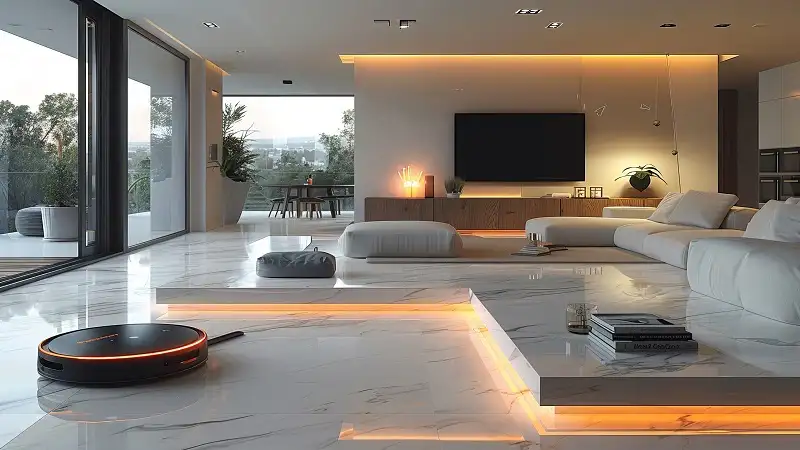
Modern homes are no longer just about beautiful furniture and attractive color schemes. Today, technology and design work together to create spaces that are comfortable, efficient, and easy to manage. Smart features are becoming part of everyday living, helping homeowners save time, reduce energy costs, and improve security.
In this article, you’ll explore practical and easy-to-follow Smart Home Design Ideas for Modern Living that can transform any house into a smarter, more functional space. Whether you are building a new home or upgrading your current one, these ideas will help you create a balanced combination of technology and style.
1. Plan Your Smart Home Layout Carefully
Before buying devices or installing systems, start with proper planning. A smart home works best when technology is integrated smoothly into the layout.
Guidelines:
-
Identify the rooms where automation will be most useful (living room, kitchen, bedroom, entryway).
-
Ensure strong Wi-Fi coverage throughout the house.
-
Plan the placement of smart switches, outlets, and hubs.
-
Consider future upgrades when designing wiring and storage spaces.
A well-thought-out layout prevents clutter and avoids unnecessary installations later.
2. Upgrade to Smart Lighting Systems
Lighting plays a major role in both functionality and mood. Smart lighting allows you to control brightness, color, and scheduling through voice commands or mobile apps.
Benefits:
-
Energy efficiency
-
Remote control access
-
Mood-based lighting scenes
-
Automated on/off scheduling
Design Tips:
-
Install dimmable smart bulbs in living and bedroom areas.
-
Use motion sensors in hallways and bathrooms.
-
Add smart outdoor lighting for security and ambiance.
Smart lighting is one of the easiest ways to begin implementing Smart Home Design Ideas for Modern Living without major renovations.
3. Invest in Smart Climate Control
Comfort is essential in any modern home. Smart thermostats and climate control systems learn your habits and automatically adjust temperature settings.
Why It Matters:
-
Saves energy and lowers bills
-
Maintains consistent indoor comfort
-
Allows remote adjustments
-
Provides usage reports for better efficiency
Installation Advice:
-
Place thermostats away from direct sunlight.
-
Integrate with smart blinds to optimize natural temperature control.
-
Use zoning systems for larger homes.
Climate automation ensures your home stays comfortable throughout the year with minimal manual adjustments.
4. Enhance Security with Smart Technology
Security is one of the top reasons people upgrade their homes. Smart security systems offer peace of mind and convenience.
Key Features:
-
Smart door locks
-
Video doorbells
-
Motion-detection cameras
-
Window and door sensors
-
Alarm system integration
Design Considerations:
-
Keep cameras discreet but effective.
-
Install smart locks that match your door hardware style.
-
Use app notifications for real-time alerts.
A secure environment is a core element of successful Smart Home Design Ideas for Modern Living because safety is always a priority.
5. Create a Smart Kitchen Space
The kitchen is often the busiest room in the house. Integrating smart appliances can make cooking and daily tasks easier.
Smart Kitchen Features:
-
Smart refrigerators with inventory tracking
-
Voice-controlled assistants
-
Smart ovens with remote control
-
Touchless faucets
-
Automated coffee machines
Practical Guidelines:
-
Keep tech simple and easy to use.
-
Avoid overcrowding countertops with devices.
-
Focus on appliances that genuinely save time.
A smart kitchen blends convenience with modern style, improving daily routines significantly.
6. Design a Smart Living Room for Comfort and Entertainment
The living room is where families relax and entertain guests. Smart entertainment systems can enhance comfort without overwhelming the space.
Suggestions:
-
Install smart TVs with voice control.
-
Use automated curtains or blinds.
-
Integrate surround sound systems.
-
Add smart plugs for easy device control.
Design Balance:
-
Hide wires for a clean look.
-
Use built-in cabinets to store devices.
-
Choose minimalist furniture to complement tech features.
Comfort and simplicity should guide your living room design decisions.
7. Automate Your Bedroom for Better Rest
Technology can improve sleep quality when used correctly.
Smart Bedroom Ideas:
-
Smart lighting with gradual dimming
-
Automated blinds for morning sunlight
-
White noise or sleep sound systems
-
Smart climate control for night temperature
Tips:
-
Avoid excessive screen exposure before bed.
-
Use automation schedules instead of manual control.
-
Keep devices subtle and unobtrusive.
The goal is to support relaxation, not create distractions.
8. Integrate Voice Control Systems
Voice assistants act as the central hub for many smart homes. They simplify control over lighting, climate, entertainment, and security.
Advantages:
-
Hands-free operation
-
Centralized control
-
Easy automation routines
-
Accessibility support for elderly residents
Place voice-enabled devices in frequently used areas like the kitchen and living room. Keep them positioned where they can clearly hear commands without being visually intrusive.
9. Improve Energy Efficiency with Smart Monitoring
Modern living emphasizes sustainability. Smart energy monitoring systems track usage and help reduce waste.
How to Improve Efficiency:
-
Install smart plugs to control unused electronics.
-
Monitor real-time electricity consumption.
-
Use automated irrigation systems for landscaping.
-
Install solar-compatible smart systems if possible.
Energy-efficient features not only lower bills but also reduce environmental impact.
10. Design for Simplicity and Ease of Use
Technology should simplify life, not complicate it. One of the most important principles of Smart Home Design Ideas for Modern Living is maintaining simplicity.
Best Practices:
-
Avoid installing too many overlapping systems.
-
Choose compatible devices within the same ecosystem.
-
Provide clear instructions for all household members.
-
Regularly update software for security and performance.
A smart home should feel intuitive, not overwhelming.
11. Focus on Aesthetic Integration
Smart devices should blend naturally with your interior design.
Styling Tips:
-
Choose neutral-colored devices.
-
Hide wires using cable organizers.
-
Use built-in wall panels for control hubs.
-
Match smart switches with your wall paint and décor.
Modern living is about balance—technology and design must complement each other.
12. Prepare for Future Expansion
Technology evolves quickly. Design your home with flexibility in mind.
Future-Proofing Tips:
-
Install extra conduits for wiring.
-
Choose scalable systems.
-
Ensure strong internet infrastructure.
-
Leave space for additional hubs or panels.
Planning for upgrades prevents costly renovations later.
13. Maintain Privacy and Data Security
While smart homes offer convenience, privacy should not be ignored.
Security Guidelines:
-
Use strong, unique passwords.
-
Enable two-factor authentication.
-
Regularly update device firmware.
-
Secure your home Wi-Fi network.
A well-protected system ensures your information remains safe while enjoying modern conveniences.
14. Balance Automation with Manual Control
Automation is helpful, but manual control options are still important.
Why This Matters:
-
Guests may not understand smart systems.
-
Internet outages can affect automation.
-
Manual switches provide reliability.
Always maintain basic controls alongside smart features.
15. Keep User Experience at the Center
The best smart homes are designed around the needs of the people living in them.
Ask Yourself:
-
Does this feature save time?
-
Does it improve comfort?
-
Is it easy for everyone to use?
-
Will it remain useful long-term?
Technology should enhance daily life, not complicate it.
Final Thoughts
Modern homes are evolving beyond traditional design. By thoughtfully integrating automation, energy efficiency, security, and style, you can create a living space that truly reflects modern needs and lifestyles.
The key to successful smart home planning is balance. Focus on functionality first, then blend it seamlessly with aesthetics. Whether upgrading lighting, enhancing security, or designing a fully automated environment, the right approach can transform your house into a comfortable, efficient, and future-ready space.
With careful planning and simple implementation, your home can become a smarter place to live—where convenience meets modern design in the best possible way.