
The gaming industry continues to evolve at a rapid pace, driven by technological innovation, changing player expectations, and new creative approaches. In 2026, gaming is more immersive, connected, and intelligent than ever before. From artificial intelligence to cloud streaming, several trends are shaping how players experience their favorite titles across platforms.
Here are the top gaming trends in 2026 every player should know.
1. AI-Powered Game Design and Smarter NPCs
Artificial Intelligence is no longer limited to simple enemy behavior. In 2026, AI-driven systems are creating more realistic non-player characters (NPCs), adaptive storylines, and personalized gameplay experiences.
Games now analyze player behavior in real time. If you prefer stealth over combat or exploration over missions, the game can adjust difficulty levels and mission structures accordingly. AI tools are also helping developers create expansive open worlds more efficiently, reducing production time while improving quality.
This trend makes games feel less scripted and more alive.
2. Cloud Gaming Goes Mainstream
Cloud gaming services have significantly improved in speed and accessibility. Platforms like NVIDIA GeForce Now and Microsoft Xbox Cloud Gaming are allowing players to stream high-end games without expensive hardware.
In 2026, stable internet connections and advanced data centers make cloud gaming smoother than ever. Players can switch between devices—PC, tablet, or smartphone—without losing progress.
This shift reduces the need for powerful consoles or gaming PCs, making gaming more accessible worldwide.
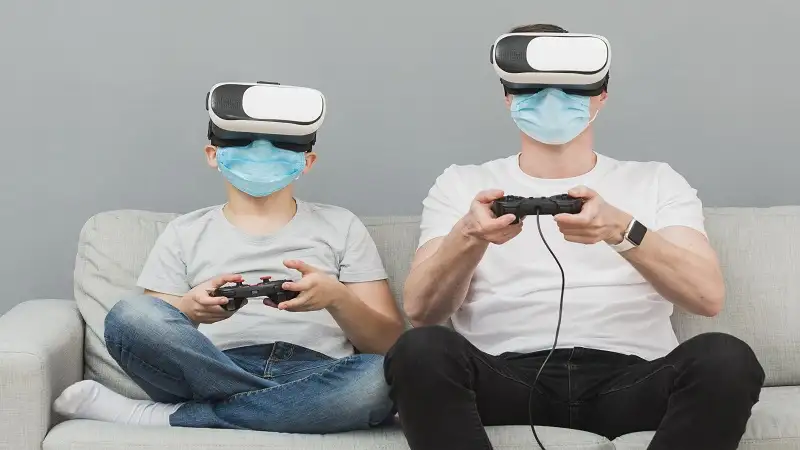
3. Virtual Reality and Mixed Reality Expansion
Virtual Reality (VR) and Mixed Reality (MR) continue to redefine immersive gameplay. Companies like Meta and Sony are pushing the boundaries with improved headsets and motion tracking.
Modern VR games now include advanced haptic feedback, eye-tracking, and wireless connectivity. These features create more natural interactions within virtual environments.
Mixed Reality, which blends real and digital worlds, is also gaining attention. It allows players to integrate game elements into their physical spaces, opening new possibilities for creative and interactive gameplay.
4. Cross-Platform and Cross-Progression Gaming
Cross-platform play is becoming a standard expectation rather than a luxury feature. Popular multiplayer titles now allow players on consoles, PC, and mobile devices to compete together seamlessly.
Cross-progression ensures that players can access their saved data regardless of platform. Whether switching from a console to a PC or a handheld device, progress remains intact.
This trend promotes inclusivity and expands gaming communities across different ecosystems.
5. Rise of Indie Developers and Creative Innovation
Independent game developers are gaining more recognition in 2026. Digital distribution platforms make it easier for indie studios to publish creative and experimental games.
Indie titles often focus on unique storytelling, innovative mechanics, and artistic design rather than large budgets. Many of these games gain viral popularity due to streaming platforms and online communities.
Players benefit from fresh ideas that challenge traditional gaming formulas.
6. Advanced Graphics with Real-Time Ray Tracing
Graphics technology continues to evolve with enhanced real-time ray tracing, providing realistic lighting, shadows, and reflections.
Game engines like Epic Games Unreal Engine are pushing visual realism to cinematic levels. Environments now look more natural and immersive, improving overall player engagement.
However, developers are balancing high-end graphics with performance optimization to ensure smooth gameplay across different hardware configurations.
7. Esports and Competitive Gaming Growth
Esports remains one of the fastest-growing sectors in the gaming industry. Tournaments now attract millions of viewers worldwide, with prize pools reaching record highs.
Competitive games continue to refine balance systems and anti-cheat technologies to ensure fair competition. Professional gaming is becoming a viable career path, supported by sponsorships, streaming platforms, and global tournaments.
Esports arenas and online competitions are shaping gaming as both entertainment and sport.
8. Mobile Gaming Dominance
Mobile gaming remains a powerful force in 2026. Smartphones now support high-performance graphics and complex multiplayer experiences.
Developers are creating console-quality games for mobile devices, closing the gap between traditional and portable gaming. The convenience of playing anywhere keeps mobile gaming at the forefront of industry growth.
Microtransactions and battle passes continue to drive revenue models, though developers are focusing on improving fairness and player satisfaction.
9. Blockchain and Digital Ownership
Blockchain technology is influencing digital ownership in gaming. Players can own unique in-game assets such as skins, characters, or collectibles.
While the hype around early NFT models has stabilized, developers are integrating blockchain more carefully, focusing on practical applications like secure item trading and player-driven economies.
The emphasis in 2026 is on utility and sustainability rather than speculation.
10. Player-Centric Game Development
Developers are increasingly prioritizing player feedback. Communities play a major role in shaping updates, patches, and downloadable content.
Early access models and live-service updates allow developers to improve games continuously after launch. This collaborative approach strengthens player loyalty and ensures long-term engagement.
Transparency, communication, and regular updates are now key to a successful game.
Final Thoughts
The gaming landscape in 2026 is defined by innovation, accessibility, and community-driven experiences. AI advancements, cloud gaming, immersive reality technologies, and cross-platform systems are transforming how games are created and played.
Whether you are a casual player or a competitive gamer, staying informed about these trends helps you understand where the industry is heading. The future of gaming promises deeper immersion, greater connectivity, and endless creative possibilities.